

Family/community contexts explored:
- Families experiencing natural disasters such as bushfires, floods and severe storms
- Families experiencing displacement or disruption following an emergency
5.1 Understanding the Context
Emergencies like bushfires, floods, cyclones, and storms can abruptly affect the safety of children, family life, accommodation, and ECEC services. The Australian Government acknowledges that emergencies have the potential to affect the attendance of children at ECEC centers and offers special support during the Child Care Subsidy (CCS) declared emergency period (Australian Government Department of Education, 2026).
The ecological systems theory of Bronfenbrenner gives insight into how emergencies can affect children through disruption of family interactions, ECEC centers, community networks, and broader social systems (Bronfenbrenner, 1979). It is crucial to adopt a strength-based perspective due to the different reactions of children and families to crises situations.

🔎 Learn More Australian Government – Help in an Emergency 🔗
5.2 Impact on Children and Families
Disaster and emergencies may impact the physical safety, emotional well-being, routine, relationships, and engagement of children in early childhood education settings. Fear, anxiety, confusion, or distress are some emotions that children might feel due to disruption to their normal environment and routine (Australian Government Department of Education, 2026; Raising Children Network, 2025).
Predictable routines, positive relationships, and an opportunity to talk about how they are feeling might help children to feel safe and recover. Educators can offer reassurance, listen to the concerns of the children, and collaborate with the families as well as services to meet their needs (Raising Children Network, 2025).

5.3 Social Policy and Australian Responses
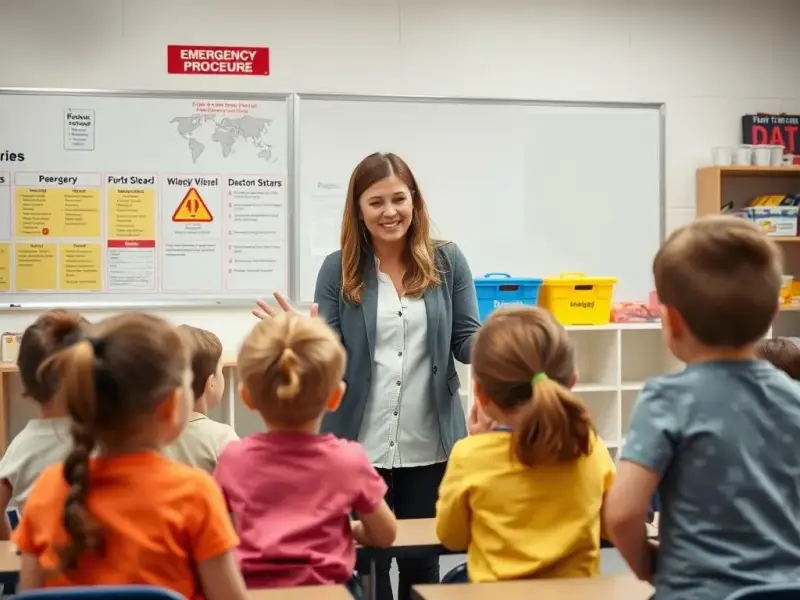
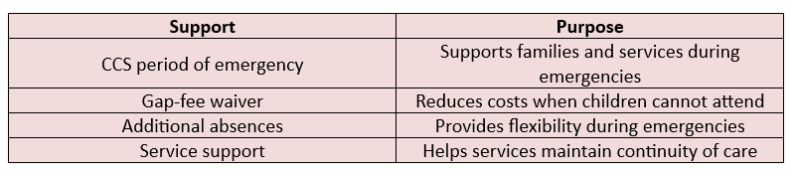
The emergency responses in Australia are geared towards ensuring the safety of the children and maintaining access to ECEC amidst the disaster. Within the period of the declared CCS emergency, some forms of support can be provided such as waiver of gap fees, extra absences and CCS for any closure due to an emergency situation (Australian Government Department of Education, 2026).
Australian Emergency Support
🔎 Learn more
Australian Government – Help in an Emergency Help in an Emergency
5.4 — Strategies for Practice
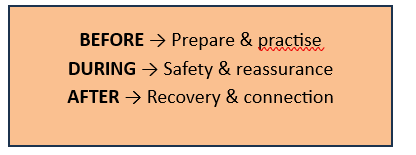
- Prepare children and families: Use age-appropriate discussions, emergency routines and simple safety practices to help children understand what to do during an emergency (Australian Government Department of Education, 2026).
- Maintain predictable routines: Provide familiar routines, relationships and reassurance to support children's sense of safety during disruption.
- Support emotional expression: Give children opportunities to talk, play and express feelings about their experiences.
- Adapt the learning environment: Make reasonable adjustments to support children's participation when services reopen or routines change.
- Work with families: Communicate respectfully with families and consider their individual circumstances, needs and recovery experiences.
- Connect with support services: With family consent, provide information about appropriate community, financial and mental-health services. The Australian Government identifies mental-health and recovery resources for children and families following emergencies.
5.5 Community and Professional Partnerships
- Families and carers: Share information about children's needs, experiences and recovery priorities.
- Early childhood educators: Provide consistent routines, emotional support and inclusive learning opportunities.
- Emergency services: Support community safety and emergency response during disasters.
- Mental health services: Support children and families experiencing emotional distress following an emergency.
- Community organizations: Help families access practical, financial and social support during recovery.
Collaboration between families, ECEC services and community organizations can support children's safety, wellbeing and recovery following emergencies (Emerging Minds, 2024; Be You, n.d.).
5.6 Resources for Educators and Children
Projects, Programs and Websites
- Australian Government – Help in an Emergency: Provides information about support available to ECEC services and families during emergencies such as bushfires, floods and cyclones (Australian Government Department of Education, 2026).
- Emerging Minds – Community Trauma Toolkit: Provides evidence-informed resources to help educators support children's mental health, wellbeing and recovery following disasters (Emerging Minds, 2024).
- Be You – Natural Disaster Response: Provides resources for educators supporting children and families affected by natural disasters and community trauma (Be You, n.d.).
- Raising Children Network – Natural Disasters: Provides practical guidance for families and educators supporting children before and after disasters.
Children's Storybooks
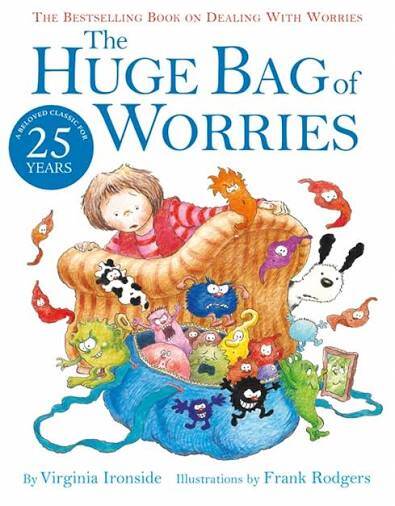
- The Huge Bag of Worries – Virginia Ironside: Helps children recognize and communicate worries and difficult feelings (Ironside, 2004).
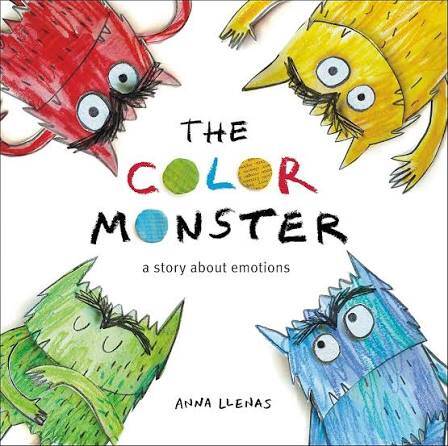
- The Colour Monster – Anna Llenas: Helps young children identify and talk about different emotions (Llenas, 2018).
- After the Fall – Dan Santat: Explores fear, recovery, courage and resilience after a difficult experience (Santat, 2017).

- The Rabbit Listened – Cori Doerrfeld: Explores emotional support, empathy and listening during difficult experiences (Doerrfeld, 2018).

Children's Videos, Educational Programs and Shows
- Play School – Emergency Plan: Helps children learn simple ways to prepare for emergencies such as bushfires and severe storms (ABC Kids, n.d.).
- Play School – Emergency Sack: Introduces children to preparing an emergency sack and identifying useful items for emergencies (ABC Kids, n.d.).
- Play School’s Everyday Helpers – Firefighters: Helps children understand the role of firefighters and how they support communities during emergencies (ABC Kids, n.d.).
- Play School – The New Home Story: Explores how children can adjust to a new home after a bushfire with support from friends and neighbours (ABC Kids, n.d.).
Using the Resources to Build Understanding, Empathy and Resilience
These resources assist children in recognizing emotions, expressing their worries, and understanding their safety and recovery process. Educators can utilize stories, videos, play, and discussion as strategies to help children express their emotions and become more resilient (Emerging Minds, 2024; Be You, n.d.).
References
ABC Kids. (n.d.). Play School – Emergency Plan. ABC.
Play School – Emergency Plan
ABC Kids. (n.d.). Play School – Emergency Sack. ABC.
Play School – Emergency Sack
ABC Kids. (n.d.). Play School – The New Home Story. ABC.
Play School – The New Home Story
ABC Kids. (n.d.). Play School's Everyday Helpers – Firefighters. ABC.
Play School – Firefighters
Australian Government Department of Education. (2026). Help in an emergency. Australian Government.
Australian Government – Help in an Emergency
Be You. (n.d.). Natural disaster response.
Be You – Natural Disaster Response
Bronfenbrenner, U. (1979). The ecology of human development: Experiments by nature and design. Harvard University Press.
Doerrfeld, C. (2018). The rabbit listened. Dial Books for Young Readers.
Emerging Minds. (2024). Community Trauma Toolkit.
Emerging Minds – Community Trauma Toolkit
Ironside, V. (2004). The huge bag of worries. Hodder Children's Books.
Llenas, A. (2018). The colour monster. [Use the publisher details from the edition you used.]
Raising Children Network. (2025). Disaster recovery: How to support your child.
Raising Children Network – Disaster Recovery
Santat, D. (2017). After the fall: How Humpty Dumpty got back up again. Roaring Brook Press.
Create Your Own Website With Webador